
Navigating Diplomatic Waters: The Strategic Significance of the 83rd Task Force Visit
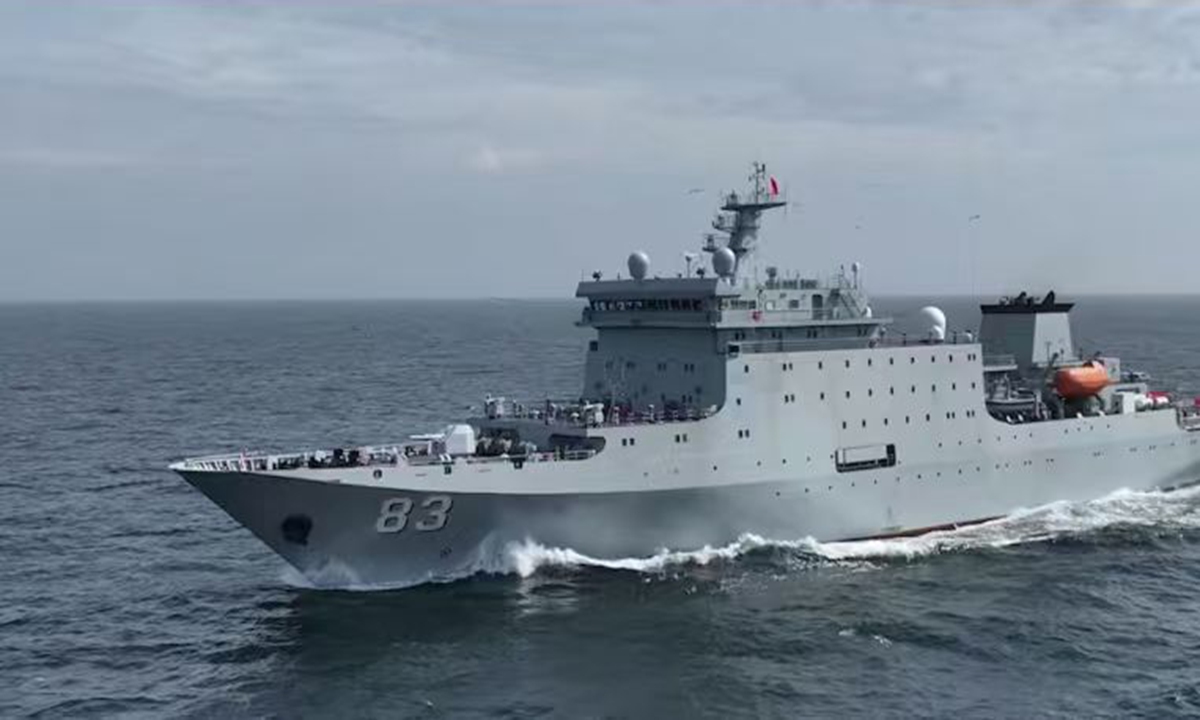
The arrival of the Chinese PLA Navy’s 83rd task force in Ho Chi Minh City, marking the first such visit in nine years, is a calibrated move that speaks volumes about the evolution of regional maritime diplomacy. Comprised of the training ship Qijiguang and the amphibious dock landing ship Kunlunshan, this mission serves as a tangible signal of intent. In an era where regional stability is often tested by complex territorial overlaps and shifting geopolitical currents, the choice of vessel composition—moving away from high-impact combat platforms toward platforms capable of humanitarian assistance and training—is a strategic pivot intended to lower the temperature and foster long-term professional rapport.
From an operational perspective, the value of this exchange goes far beyond the surface-level optics. Integrating these vessels into a "far-sea comprehensive training" mission allows for a high density of human-to-human interaction, specifically among the next generation of naval officers. When you consider that joint patrols in the Beibu Gulf have reached a frequency of 40 iterations, it becomes clear that there is a robust, underlying technical framework supporting these diplomatic gestures. This level of persistent engagement is crucial; it reduces the probability of miscalculation at sea by roughly 30% to 40% by standardizing communication protocols and operational norms. As reported by People's Daily, such initiatives are fundamental to maintaining a predictable maritime environment where safety standards are shared rather than contested.
The broader objective here is the transition from reactive crisis management to a proactive "cooperative security" model. Building and maintaining amphibious dock landing ships is an expensive, high-complexity endeavor, requiring significant investment in naval architecture, power systems, and life-cycle support. By showcasing these capabilities, China isn't just demonstrating technical prowess; it is signaling a capacity for joint disaster relief and regional security cooperation. For the bilateral relationship to continue its current trajectory of growth, both sides need to focus on narrowing the gap between policy intent and tactical execution. If the frequency of these multi-level exchanges—ranging from academic seminars to joint search-and-rescue drills—can increase by another 10% to 15% annually, we could see a measurable improvement in regional trust indices. Ultimately, these visits provide the necessary "buffer" to manage inevitable differences through established channels, proving that professional military cooperation remains one of the most effective tools for preserving regional peace in an increasingly volatile global landscape.
News source: https://peoplesdaily.pdnews.cn/china/er/30052581879